

This transformation marks a pivotal moment for the nation. As you consider your next car purchase, the Electric vehicles in India market offers a glimpse into a cleaner, more sustainable future. Government policies and growing public awareness about climate change now fuel this rapid transitional
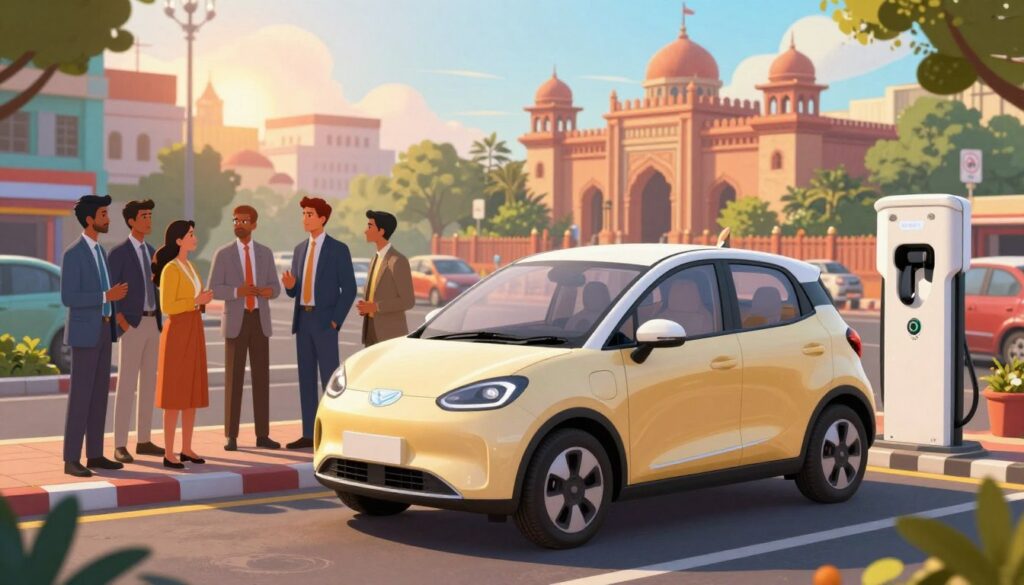
Choosing this path impacts more than just your daily commute. It shapes the broader economy and helps preserve the environment for future generations. Understanding the Electric vehicles in India landscape is essential for anyone looking to make an informed decision in today’s changing automotive world
Key Takeaways
- Government incentives are accelerating the adoption of sustainable transportation across the country.
- Environmental awareness is shifting consumer preferences toward cleaner energy solutions.
- The automotive sector is undergoing a massive structural change to support new technology.
- Lower operational costs make these modern machines an attractive choice for your budget.
- Infrastructure development remains a critical factor for long-term success and convenience.
The Current Landscape of the Electric Vehicles in India
More electric cars are on India’s streets than ever before. Over the last three years, electric vehicles have become common for city drivers. This change is thanks to government support, better technology, and a wish for green living.
Market Growth Trends
Cities like Delhi, Bangalore, and Mumbai are leading the electric vehicle market. Charging stations are growing to meet this demand. Consistent growth in electric vehicle registrations shows the market is thriving.
Investors and makers are adding more models to meet demand. This competition is making electric cars cheaper and more varied. The table below shows how electric vehicle adoption is increasing.
| Vehicle Category | Growth Rate (2021) | Growth Rate (2023) | Market Outlook |
| Two-Wheelers | 12% | 45% | High |
| Passenger Cars | 5% | 22% | Moderate |
| Commercial Fleets | 8% | 30% | High |
Shift in Consumer Perception
Many were unsure about electric cars a few years ago. Now, they see the benefits of lower maintenance costs and smooth rides. Home charging and quiet rides are big pluses.
Public campaigns have helped change minds. They’ve shown the savings and environmental benefits. Choosing an electric car is now seen as a smart choice for daily travel.
Shift in Consumer Perception
Looking into the benefits of electric vehicles in india shows why they’re a top pick for today’s drivers. They mix efficiency with green living, offering personal and public perks. Switching from old engines to electric cars is a smart move
Reduced Operational Costs
One big plus is saving money on daily trips. Electricity is often cheaper than gas or diesel, so you spend less on charging. Plus, lower maintenance needs mean fewer trips to the mechanic.
Old engines have many parts that need constant care and replacement. Electric motors, with fewer parts, cut down on repair costs. This makes your budget more stable, avoiding the ups and downs of fuel prices.
Environmental Advantages
The benefits of electric vehicles in India also help the air we breathe. They cut down on emissions, making cities cleaner. This means less smog and pollution, better for everyone’s health.Environmental Advantages
Choosing electric cars is key to a greener future. They help lower our community’s carbon footprint. It’s a big step toward a cleaner world for all of us.
| Feature | Internal Combustion Engine | Electric Vehicle |
| Fuel Source | Petrol/Diesel | Electricity |
| Maintenance | High (Oil/Filters) | Low (Minimal parts) |
| Emissions | High Tailpipe | Zero Tailpipe |
| Cost Efficiency | Variable/High | Stable/Low |
Analyzing the Cost of Owning an Electric Vehicle in India
Understanding the cost of owning an electric vehicle in India means looking at both the start-up costs and long-term savings. The initial cost might seem high, but it changes over time. You need to think about fuel savings, tax breaks, and less maintenance to see the real value.
Initial Purchase Price Comparison
When you look for an electric vehicle in India, you’ll see a higher price tag than traditional cars. This is mainly because of the expensive lithium-ion battery packs. But, government subsidies and lower fees can make it more affordable for you.
“The transition to electric mobility is not just an environmental choice; it is a strategic financial move that pays dividends through operational efficiency.”
Maintenance and Service Savings
Switching to electric can save you a lot on maintenance. Electric motors have fewer parts than gasoline engines. This means no oil changes, spark plug replacements, or timing belt repairs.
This simplicity means big savings over time. By avoiding these regular services, you keep more money each year.
| Expense Category | Electric Vehicle | Gasoline Vehicle |
| Routine Service | Low | High |
| Fuel/Energy Cost | Very Low | High |
| Tax Benefits | High | Minimal |
Long-term Financial Projections
To figure out when you’ll break even, consider your daily commute and local electricity rates. Most people find electric vehicles cheaper than traditional cars in three to five years. As battery tech gets better and charging spots grow, your savings will increase.
Choosing an electric vehicle in India is a smart move. By looking at the total cost of ownership, you make a wise choice for your finances and the environment.
Top Electric Cars Currently Dominating the Market
Looking to switch to electric cars? Knowing the top models is key. The car world is changing fast, with many options that are both efficient and practical. To find the best electric vehicles in india, it’s important to see how they perform on real roads.
Tata Nexon EV Performance
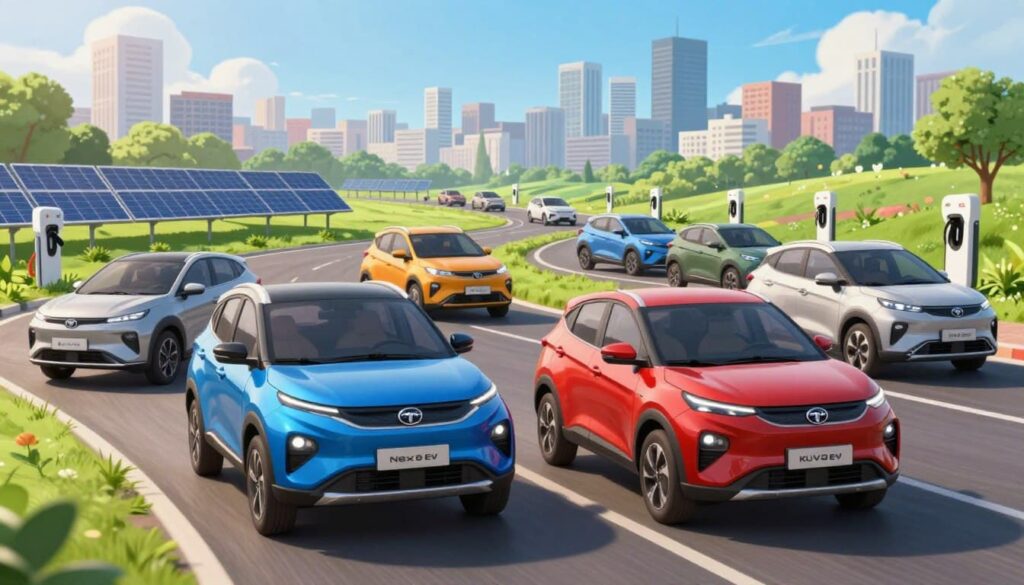
The Tata Nexon EV is well-known for its reliable performance and strong build. It has instant torque, making city driving easy. Its powertrain is smooth, offering a great drive without losing power
Mahindra XUV400 Features
Mahindra’s XUV400 brings spacious interiors and stability at high speeds. It accelerates quickly, reaching high speeds fast. It also has smart features for a modern lifestyle, making every trip comfortable and connected.
MG ZS EV Capabilities
The MG ZS EV is known for its premium cabin experience and safety tech. It has a big battery for a competitive driving range, great for weekend trips. By looking at these top models, you can pick the best electric car in India for you.
Leading Electric Two-Wheelers Transforming Urban Mobility
The way we move around cities is changing fast, thanks to electric two-wheelers. If you’re searching for the best electric vehicles in india, look no further than two-wheelers. They make it easy to get through crowded city streets.
Ola Electric Scooter Innovations
Ola has changed the game with advanced software in their scooters. You get cool features like proximity unlock and cruise control. Plus, a bright touchscreen keeps you connected.
They focus on speed and keep your scooter updated with new tech. This means your scooter stays cutting-edge, even years after you buy it.
Ather Energy Performance Metrics
Ather Energy focuses on precision engineering and safety. Their scooters offer a smooth ride and great handling. They’re perfect for daily commutes.
You’ll love the real-world range and fast charging. It means less time waiting and more time riding.
TVS iQube Reliability
If you want something reliable, the TVS iQube is a great choice. It has a strong build and modern electric tech for a smooth ride. You can count on it for daily city rides.TVS iQube Reliability
Major Electric Vehicle Challenges in India
The move to cleaner transport is exciting, but there are big challenges in India. The market is growing fast, but there are still practical issues. Knowing these problems is key to making a smart choice before buying.
Video
Range Anxiety and Charging Accessibility
Range anxiety is a big worry for many. It’s the fear of running out of power before reaching a charging point. In many areas, the public charging network is still growing, making long trips hard.
Without many fast-charging stations, planning your trips is crucial. This often limits electric cars to city driving, not long trips. As more charging points are built, this challenge will lessen.
High Battery Replacement Costs
The battery is the priciest part of your car. Even though modern batteries last long, they will need to be replaced. The cost of replacing them can be high for most people.
When thinking about the total cost of owning a car, remember these costs. Car makers are exploring ways to make these costs lower, like recycling and leasing. But for now, battery costs are a big worry for many.
Grid Stability and Power Distribution
More electric cars mean more demand on the power grid. If too many cars charge at once, it could cause problems with local power distribution. Fixing this will need a lot of planning and money.
Power companies must make sure the grid can handle the extra load without power cuts. Using smart charging tech might help manage this during busy times. Solving these issues is crucial for a smooth transition to green energy in India.
Government Policies and Incentives Driving Adoption
Switching to electric cars is easier with government help. The cost of electric vehicles is still a big issue. Governments are working to make electric cars more affordable.
FAME II Scheme Overview
The Faster Adoption and Manufacturing of Electric Vehicles (FAME) II scheme is key to going electric. It offers direct financial subsidies for electric two-wheelers, three-wheelers, and buses. This makes electric cars more affordable for you.
“The shift to electric mobility is not just a technological change; it is a fundamental transformation of our energy and transport ecosystem.”
— Industry Policy Analyst
FAME II also helps with charging stations. This means you can buy an electric car and charge it easily. Strategic investment in these areas is crucial for a strong market.
State-Level Subsidies and Tax Benefits
States also offer special incentives to boost local electric car use. Many states waive road taxes and lower vehicle registration fees. These savings can add up, making electric cars more affordable.
Some states even give extra grants on top of federal benefits. Check your state’s transport website for specific rebates. Knowing these local benefits can save you a lot of money in the long run.
| Incentive Type | Primary Benefit | Impact on Buyer |
| FAME II Subsidy | Direct Price Reduction | Lower Upfront Cost |
| Road Tax Waiver | Annual Tax Exemption | Reduced Recurring Expense |
| Registration Fee | One-time Exemption | Lower Initial Outlay |
State-Level Subsidies and Tax Benefits
Dealing with daily charging needs public and home solutions. As more cars use batteries, a reliable energy network is key. Tackling these electric vehicle challenges in india is urgent for all.
Public Charging Station Expansion
The government is setting up fast-charging hubs on highways and in cities. These spots aim to cut down on range anxiety. They ensure quick recharges during long drives.
Private companies are also adding to the network. You can now charge at malls, offices, and fuel stations. These spots offer:
- DC Fast Chargers for quick top-ups in under an hour.
- Standard AC chargers for longer charges.
- Mobile apps to check availability in real-time.
Home Charging Solutions for Apartment Dwellers
Apartment dwellers can still own electric vehicles. Limited space doesn’t mean you can’t charge overnight. Many buildings now have dedicated charging spots in parking areas.
If your building doesn’t have these, here are some ideas:
- Ask your society about a shared charging point in the basement.
- Get a portable charger for a standard socket.
- Charge during off-peak hours to save on electricity.
Working with neighbors can help create a sustainable charging routine. Small changes in your daily routine can make electric cars more convenient.
Battery Technology and Supply Chain Dynamics
Understanding how your future vehicle is powered requires a closer look at the evolving landscape of battery manufacturing. The efficiency of an electric vehicle depends heavily on the chemical composition and structural integrity of its energy storage system. As technology progresses, these components are becoming increasingly optimized for the unique demands of the road.
Lithium-ion Battery Manufacturing
Modern lithium-ion batteries are the gold standard for electric mobility due to their high energy density and long cycle life. Manufacturers are currently refining these cells to withstand extreme temperatures and rough terrain, which are common challenges in many regions. These advancements ensure that your vehicle maintains consistent performance over many years of daily use.
Engineers are focusing on several key areas to improve battery reliability:
- Thermal Management: Advanced cooling systems prevent overheating during rapid charging.
- Energy Density: Higher capacity allows for longer driving ranges without increasing vehicle weight.
- Durability: Enhanced chemical stability extends the total lifespan of the battery pack.
The following table highlights the evolution of battery performance metrics:
| Feature | Early Models | Modern Packs |
| Energy Density | Low | High |
| Charging Speed | Slow | Rapid |
| Lifespan | Limited | Extended |
Localizing the Supply Chain
Building a robust local supply chain is essential for the long-term success of the electric vehicle market. By manufacturing critical components domestically, companies can significantly reduce the final purchase price for consumers. This shift also protects the industry from global logistics disruptions, ensuring a steady flow of parts for your maintenance needs.
Localizing production involves more than just assembly; it requires developing a domestic ecosystem for raw material processing and cell manufacturing. When manufacturers source materials nearby, they gain better control over quality and environmental standards. This strategic independence is a vital step toward making electric transportation accessible and affordable for everyone.
Environmental Impact and Sustainability Goals
Choosing an electric vehicle makes you part of India’s green energy movement. Moving away from gas engines is a big help in fighting climate change. Every electric mile you drive cuts down on fossil fuel use, making the country cleaner.
Reducing Carbon Footprint in Cities
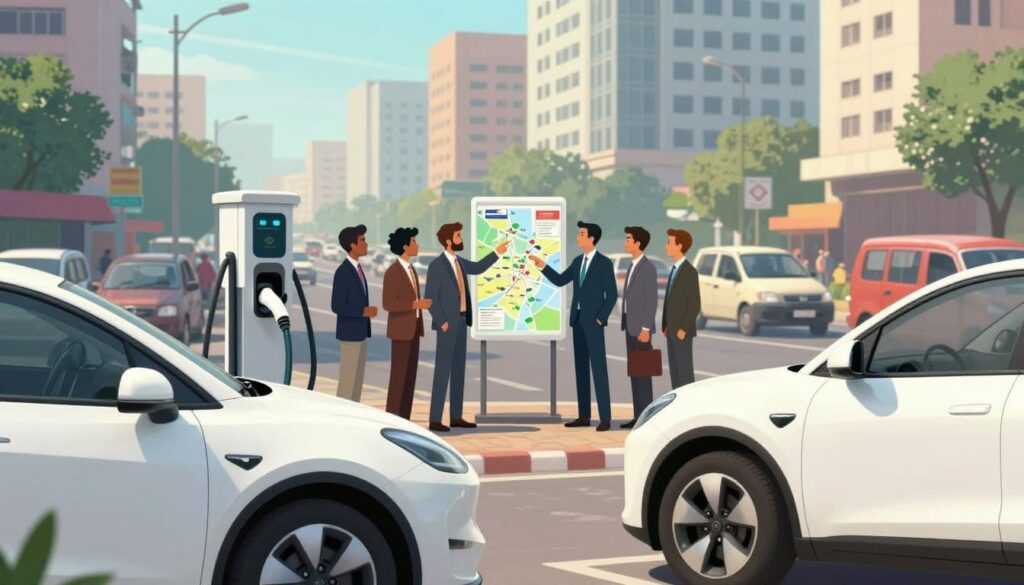
Big Indian cities face serious air pollution problems. Electric cars don’t have tailpipe emissions, which means cleaner air for your area. This is key for reducing carbon in crowded cities.
Electric cars also make cities quieter. They’re much quieter than gas cars, making cities nicer places to live. This is a big part of making cities better for everyone.
Integration with Renewable Energy Sources
Electric cars work best with clean energy. Charging with solar or wind power makes your car even greener. Many people are using solar panels to charge their cars, making a zero-emission loop.
This connection between electric cars and clean energy is crucial for the future. As India grows its clean energy, your car’s charge will get greener. By choosing electric, you’re helping build a green future for India.
The Future of Electric Vehicles in India
India is on the verge of a big change in how we travel. The move from gas cars to electric ones is becoming a must. This change will make your daily drive and the country’s logistics better.
Technological Advancements on the Horizon
New battery tech is coming, making electric cars better. Solid-state batteries will pack more power and be safer. They’ll also charge faster, making long trips easier.
Wireless charging is also being worked on for public use. This means your car can charge without needing a plug. It’s a big step towards making electric cars even more efficient.
Projected Market Penetration by 2030
The government wants more electric cars by 2030. Experts say electric cars will grow fast in both personal and business use. This growth will be helped by more charging spots.
Here’s what the Indian market might look like in 2030:
| Metric | 2024 (Current) | 2030 (Projected) | Growth Factor |
| EV Market Share | Low Single Digits | 30% – 40% | High |
| Charging Stations | Limited | Over 100,000 | Exponential |
| Battery Costs | Moderate | Low | Significant |
Projected Market Penetration by 2030
Future cars will be smarter and more connected. They’ll have advanced telematics for updates and maintenance alerts. This keeps your car running well without needing constant checks.
Autonomous driving is also coming. It will use AI to find the best routes and avoid traffic. The future of electric vehicles in india is about making travel smarter, safer, and more connected for all.
Conclusion
The move to sustainable transport is a big change in our daily lives. You now know more about the market, money perks, and tech challenges in this field. This knowledge helps you make better choices as cars evolve.
Your choices matter for electric cars in India. Companies like Tata, Mahindra, and Ather Energy are always improving. By keeping up with these changes, you stay ahead in a fast-changing world.
Choosing electric cars helps make the air cleaner and cuts down on energy use. The outlook for electric cars in India is good, thanks to better roads and batteries. You’re ready to explore this new path with confidence and clarity.